1
Source
Learn where to find quality produce at Sydney markets and supermarkets.
Our food education resources help you navigate supermarkets, interpret labels, and prepare varied home-cooked meals. All materials are for general informational purposes and are not medical or dietetic guidance.
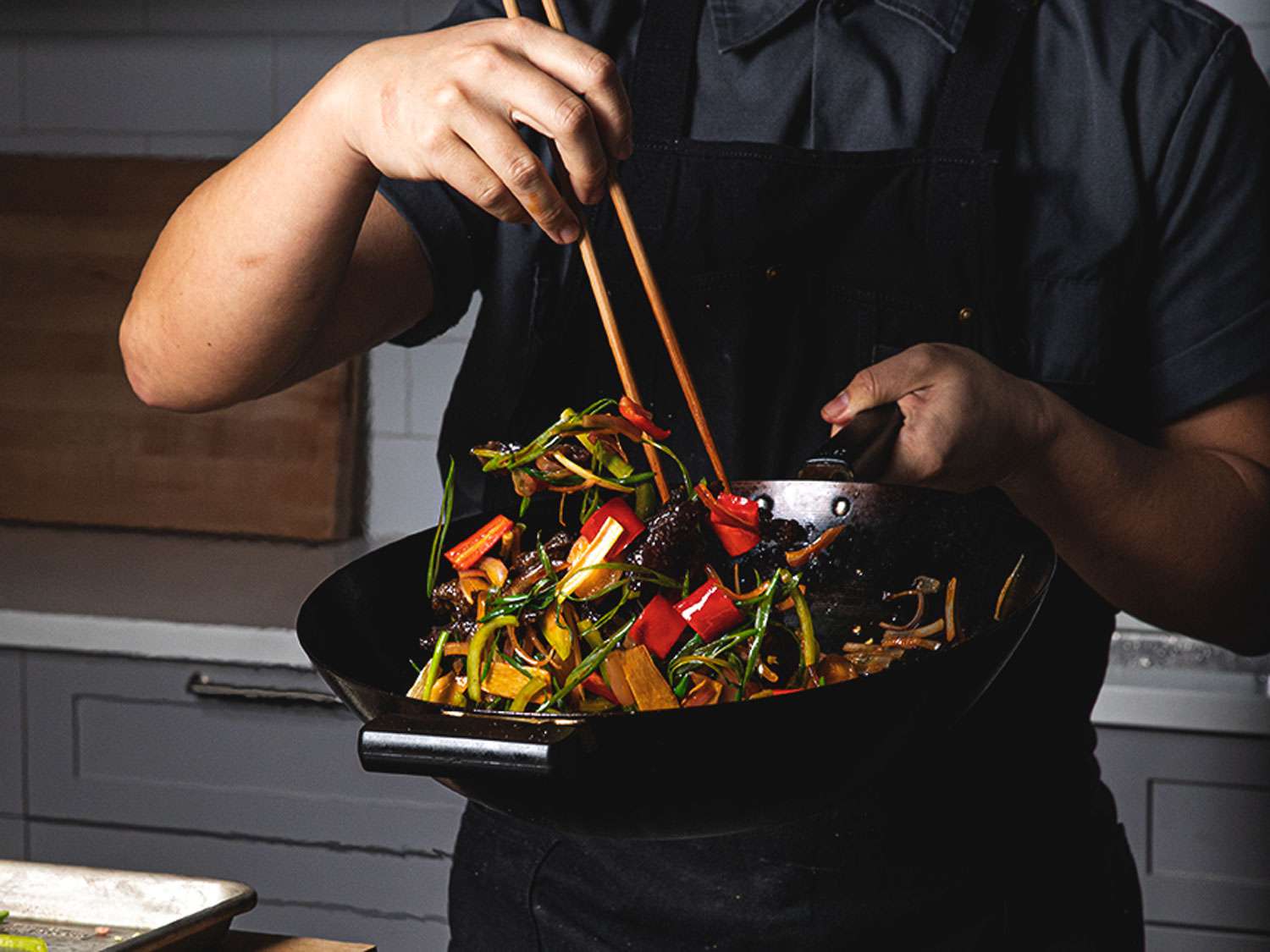
Learn where to find quality produce at Sydney markets and supermarkets.
Develop criteria for choosing ingredients based on freshness and value.
Proper storage extends shelf life and reduces unnecessary waste.
Simple techniques that make weekday cooking faster and more enjoyable.
Note what worked well and adjust your approach for the following week.
We encourage diversity in food choices rather than eliminating entire food groups. These categories represent starting points for meal planning conversations.
Seasonal vegetables form the foundation of most meal frameworks we discuss. Legumes offer affordable protein and fibre for soups, salads, and side dishes.
Brown rice, oats, quinoa, and wholegrain bread are common pantry staples. We share preparation tips to improve texture and flavour in home cooking.
From eggs and tofu to fish and lean poultry, we discuss general serving ideas and cooking methods suited to different preferences and budgets. This is not personalised nutrition advice.
Australian food labels contain valuable data, but the format can feel dense. Our educational module walks through serving sizes, ingredient lists, and nutrition information panels step by step.
We explain common terms like "no added sugar" and "source of fibre" in plain language, helping you compare products without feeling pressured toward any single brand or category.
This knowledge supports independent decision-making — a core goal of our coaching philosophy.
Ingredients are listed by weight. The first few items tell you what the product contains most of.
Compare per-100g values when packages use different serving definitions.
Learn what this voluntary Australian front-of-pack label measures and where its limitations apply.
Stone fruits, berries, tomatoes, and zucchini peak during warmer months. We suggest light salads, grilled vegetables, and no-cook meal options for hot days.
Apples, pears, pumpkin, and root vegetables transition meals toward roasting and slow cooking as temperatures cool.
Citrus, brassicas, and hearty greens support nourishing soups and stews.
Asparagus, peas, and fresh herbs signal a return to lighter dishes. Our guides include simple recipes that highlight these ingredients without complex techniques.
Prepare onions, garlic, and common vegetables in one session. Store in airtight containers for up to four days in the refrigerator.
Combine protein, vegetables, and grains on a single tray for roasting. Minimal cleanup encourages more frequent home cooking.
Cook double batches of soups and curries. Portion into labelled containers for convenient midweek meals.
A printable reference listing versatile staples for Australian kitchens, with storage tips and suggested uses for each item.
A flexible template for mapping breakfasts, lunches, and dinners without prescribing specific recipes or calorie targets.
Organised by supermarket section to streamline grocery trips and reduce unplanned impulse purchases.
Short demonstrations covering knife skills, basic sauce preparation, and efficient meal assembly for beginners and intermediate cooks.
Our team can explain how these general concepts may apply to your household through consulting sessions and custom meal frameworks.
Start a Conversation